 View full-size schematic
Lipids & innate immunity
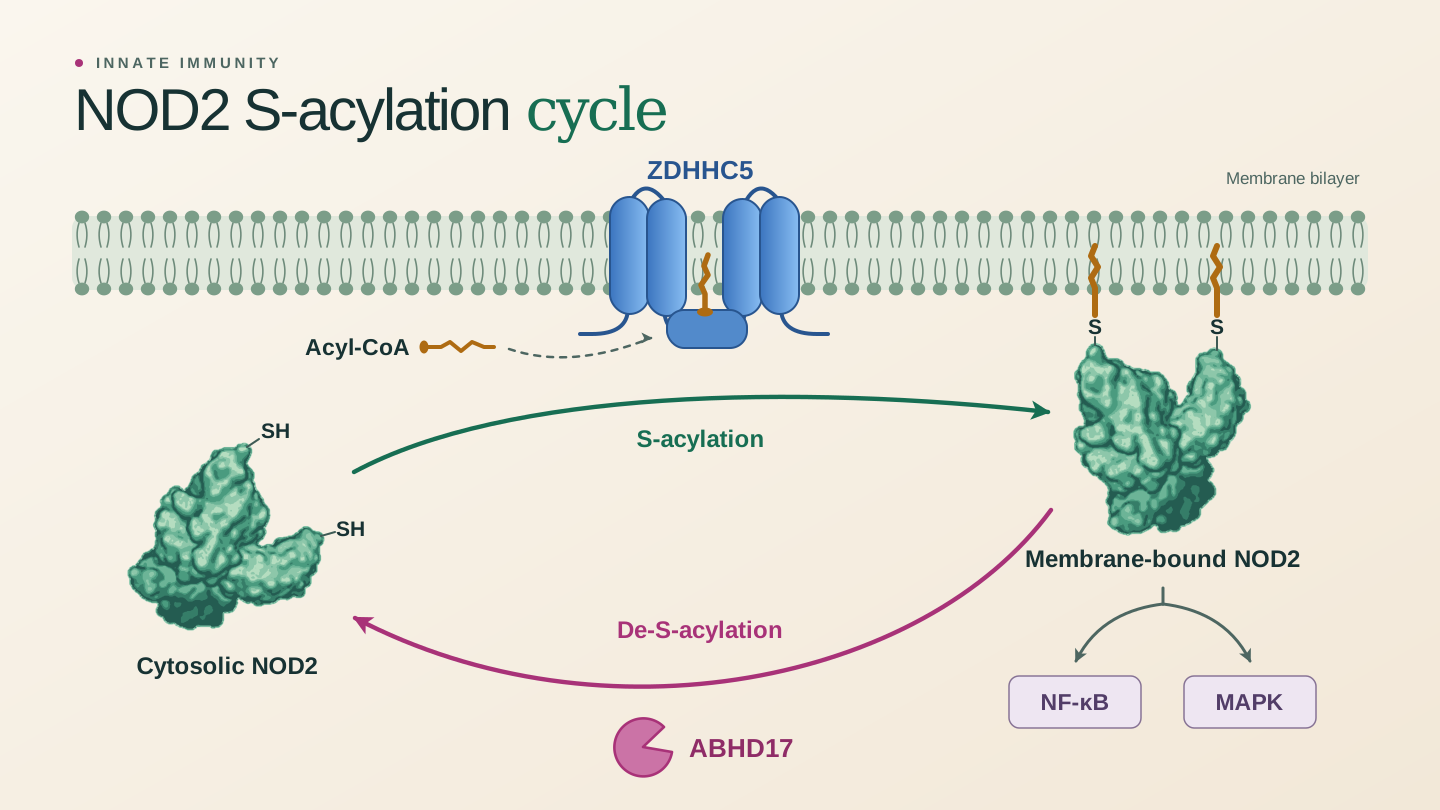
How do NOD1 and NOD2 reach the membranes where they help cells detect bacteria?
Lipids, Innate Immunity and
Pathogenesis in Disease
Our name is also a nod to the lipids we study. We explore how they shape cells and influence immunity, metabolism and disease.
Department of Pathology · Dalhousie University
Halifax, Nova Scotia, Canada
Representative lipids: cholesterol, phosphatidylserine (PS) and phosphatidylinositol 3-phosphate (PI3P).
Conceptual illustration · representative lipids, not to scale
From Crohn’s disease, fatty liver, cancer and bacterial infections: discover why the cell biology of lipids matters for human health.
Start with lipids, proteins, membranes, cysteine chemistry and organelles. Follow the molecular logic behind cellular function.
We study how lipids are made, distributed and used, and how these processes shape membranes, organelles and cells.
View full-size schematicHow do NOD1 and NOD2 reach the membranes where they help cells detect bacteria?
 View full-size schematic
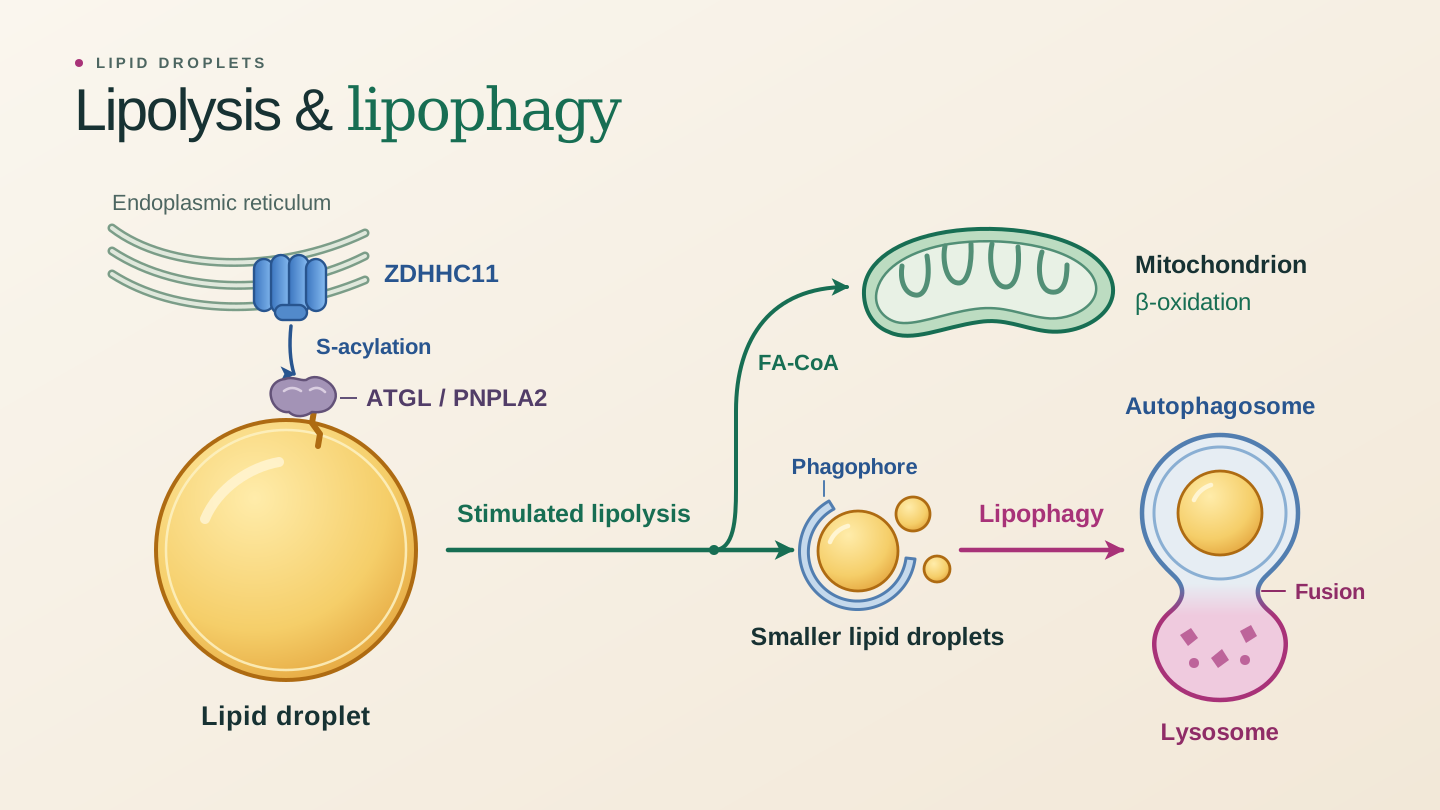
How do lipid-modified enzymes control the storage and mobilisation of cellular fat?
 View full-size schematic
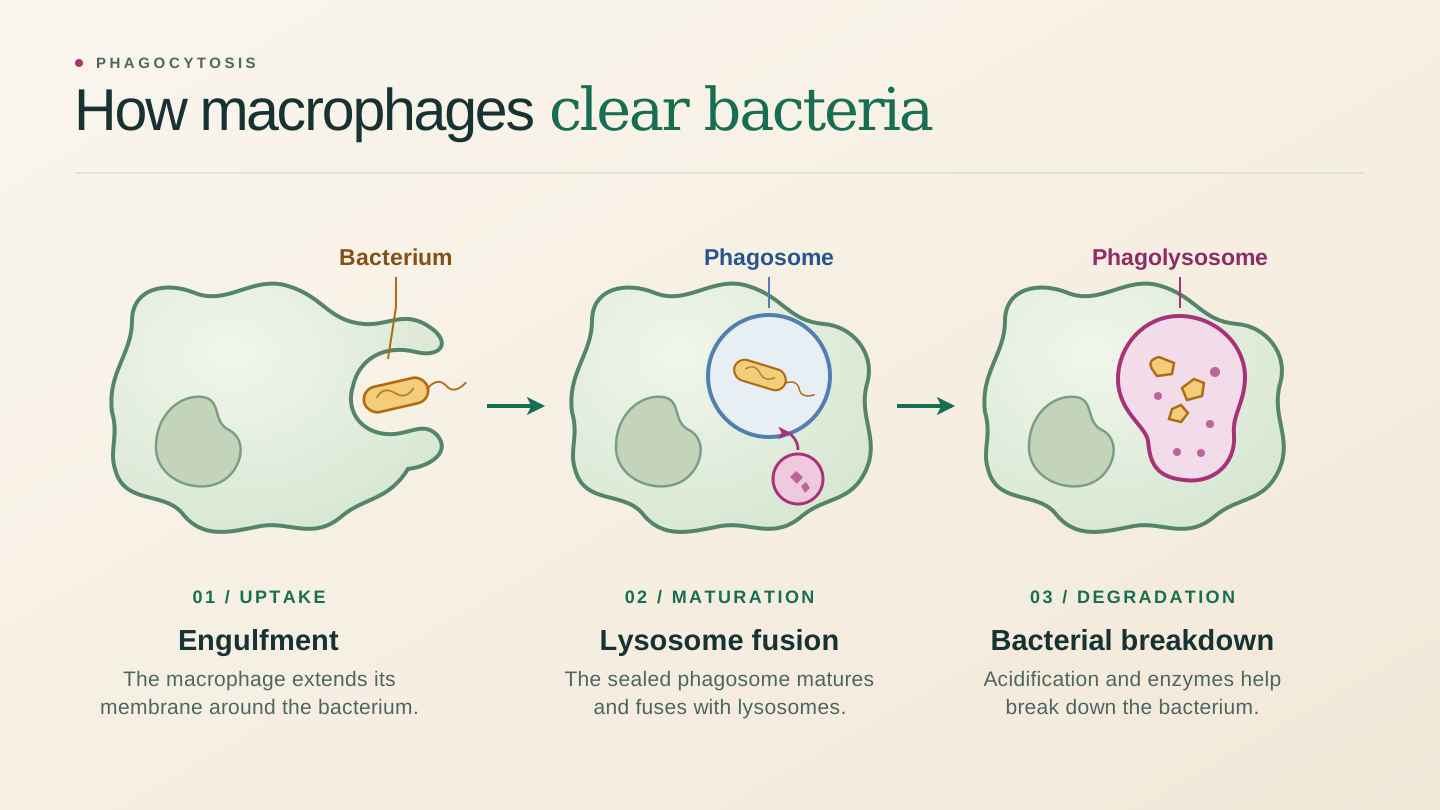
How do macrophages engulf and degrade bacteria?
 View full-size schematic
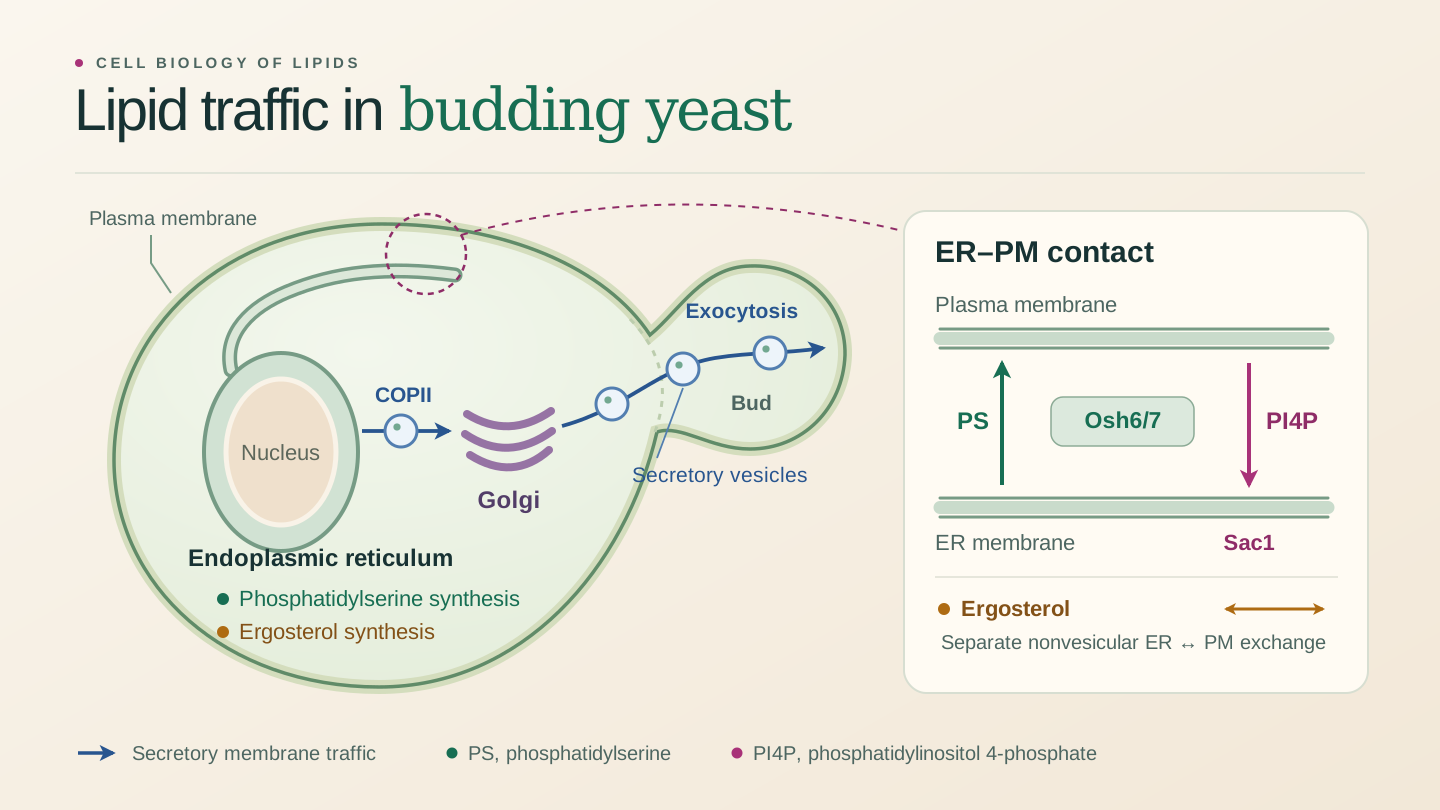
How do phosphatidic acid, phosphatidylserine, cholesterol and phosphoinositides shape membrane function and cellular lipid balance?
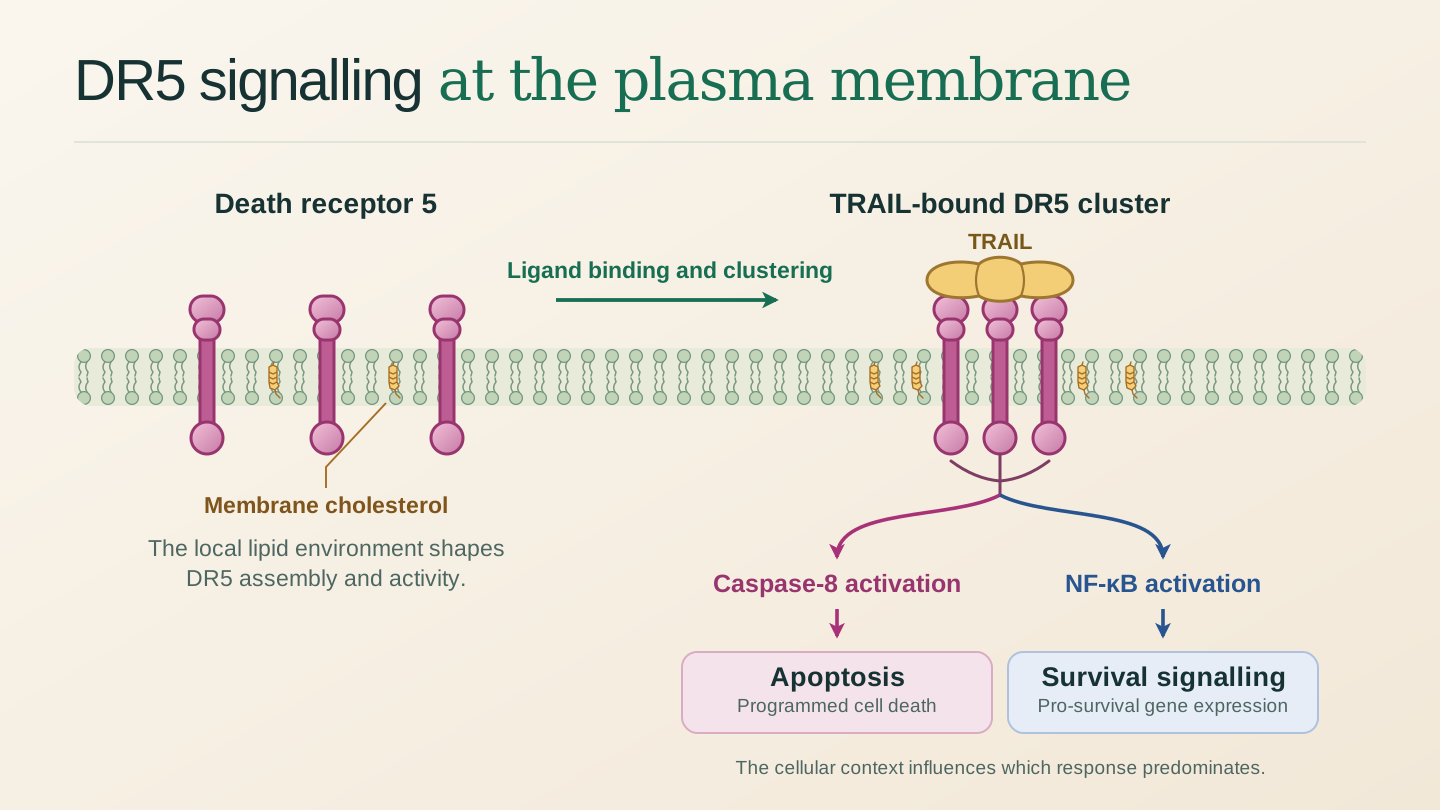 View full-size schematic
How does the local membrane environment shape the signals sent by death receptor 5 (DR5)?
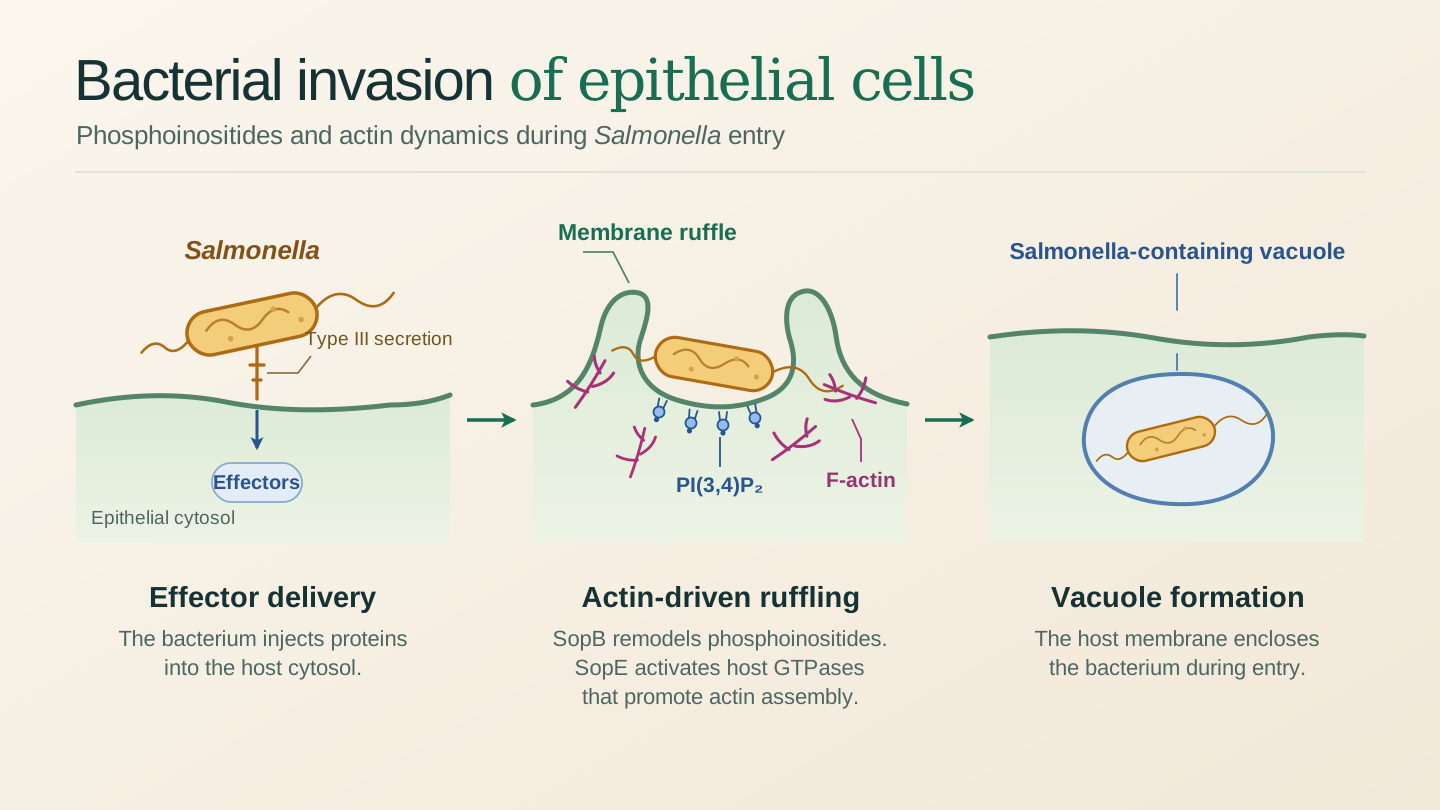 View full-size schematic
How does Salmonella remodel host phosphoinositides and actin to enter epithelial cells?
A few entry points into our published work.
Browse publicationsDixon CL, Martin NR, Niphakis MJ, Cravatt BF, Fairn GD.
Xu Z, Meng Y, St-Germain J, et al.
Zheng Y, Chen J, Macwan V, et al.
Interested in the cell biology of lipids, membrane biology, and host-pathogen interactions? Get in touch to discuss our research.